Secured vs unsecured business loan options can seem confusing, but understanding them can simplify your funding decisions. Choosing the right loan means your business can access the funds it needs without incurring unnecessary risk. With a collateral-backed financing option like a secured loan, you can use assets like property or equipment as collateral, which often gives you lower interest rates and higher borrowing limits. If your business lacks collateral, a credit-based loan approval through an unsecured loan may be the most practical path to fast business funding. Understanding these options helps you pick what fits your business goals and cash flow.In this article, we will discuss a comprehensive comparison between secured and unsecured loans, so that you never hesitate to sign a loan contract. If you're unfamiliar with terms like collateral, APR, or factor rate, check out our business loan glossary for a quick breakdown.
What Is a Secured Business Loan?
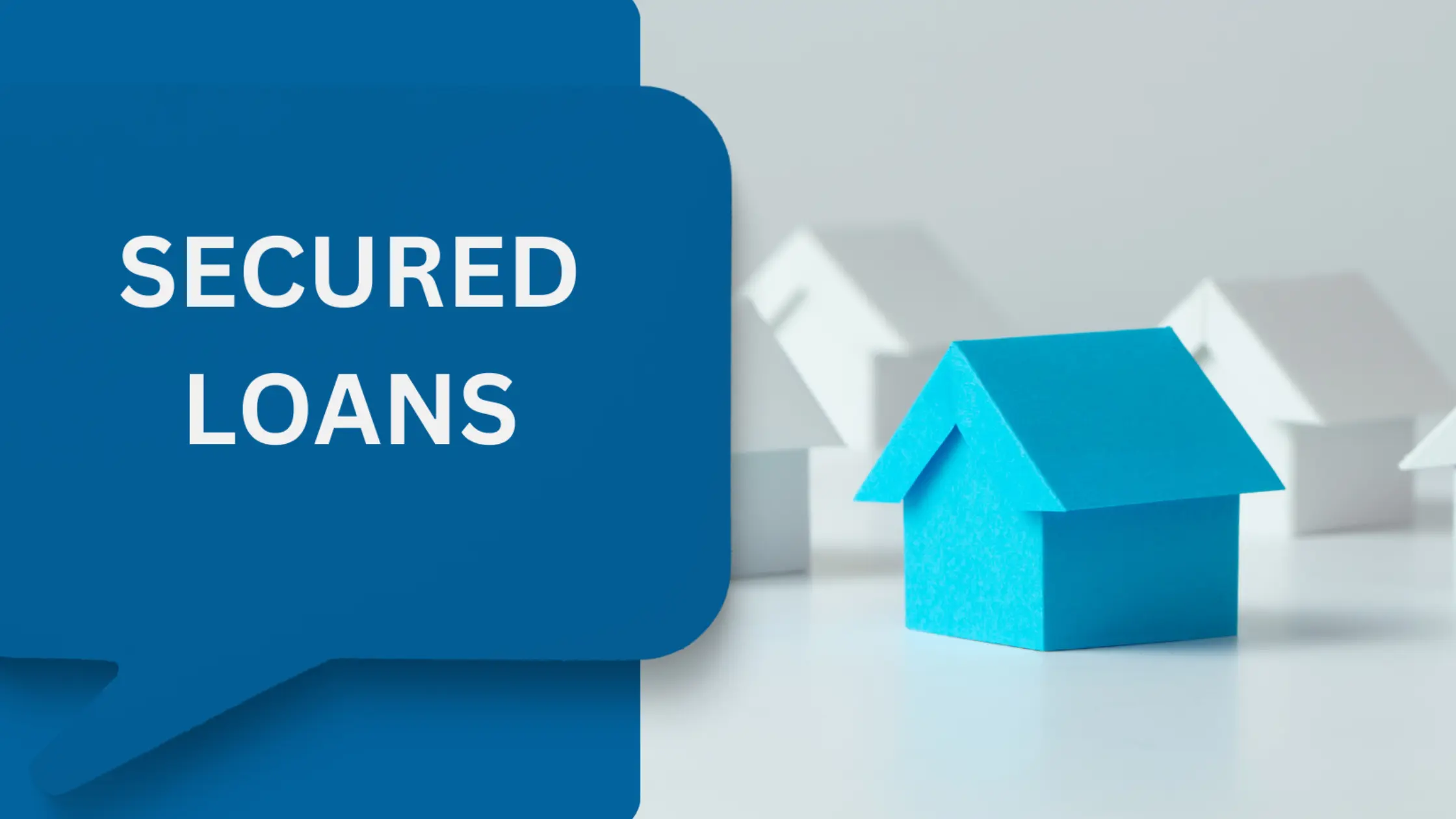
Every business needs funds at some point, whether it’s for expanding operations, buying equipment, or managing cash flow. Finding the right financing can be tricky, and many business owners worry about high interest rates or strict repayment terms. What is the difference between secured and unsecured? This is where a secured business loan can help. By pledging an asset, such as property, equipment, or inventory, as collateral, you reduce the lender’s risk and often gain access to lower interest rates and larger loan amounts.
How Businesses Can Use Secured Loans?
Once you understand what a secured business loan is, it’s important to see how it can directly help your business. Asset-based lending through secured loans offers versatile funding options for businesses seeking long-term financing or low-interest business loans for startups.
- Expand Operations
If your business is ready to grow, a secured loan can provide the funds to buy new equipment, open additional locations, or increase production capacity. By leveraging your assets as collateral, you can access larger loan amounts than with unsecured loans. This means you can make bigger investments without waiting years to save up.
- Manage Cash Flow
Short-term vs long-term business financing decisions often hinge on managing cash flow gaps, especially for seasonal businesses or those with large upfront expenses. A secured loan can help cover short-term operational costs, such as payroll, supplier payments, or unexpected repairs. This ensures your business can continue running smoothly without risking your existing assets. When comparing loan costs, don’t just look at the interest rate—learn how APR vs interest rate affects your total borrowing expense.
- Invest in Growth
Growth often requires upfront investment, whether it’s marketing campaigns, technology upgrades, or inventory expansion. Secured loans provide the capital to make these investments now, so you can scale faster and take advantage of new opportunities. Using collateral allows you to secure better rates, which reduces borrowing costs while fueling business growth.
Types of Secured Loans
Secured loans come in various forms, each tailored to specific business loan approval requirements and asset types, such as equipment, real estate, or inventory:
- Equipment Financing: Ideal for businesses that need machinery or tools. The equipment itself serves as collateral, so you can upgrade or expand without tying up cash.
- Real Estate Loans: Useful for purchasing or renovating property. Whether you’re buying a new office, retail space, or warehouse, real estate-backed loans often allow larger borrowing amounts at lower interest rates.
- Inventory Financing: If your business holds significant stock, you can use inventory as collateral to get working capital. This is perfect for retail, manufacturing, or e-commerce businesses that need funds to restock or manage seasonal demand.
By understanding how to utilize these loans and which type best suits your needs, you can make more informed decisions and select the right secured or unsecured business loan for your business. Knowing the benefits and uses of secured loans helps you see when an unsecured option might be better. Next, let’s explore what an unsecured business loan is and how it works for businesses without assets to pledge.Pro Tip: If you're running an online store, our ecommerce funding solutions are tailored to help you scale without risking inventory.
What Is an Unsecured Business Loan?
If your business does not have assets to pledge, an unsecured business loan can be a practical solution. Unlike collateral-backed financing, these do not require collateral. Instead, lenders evaluate your business’s credit history, financial health, and ability to repay. While unsecured loans often come with higher interest rates and stricter approval requirements, they are ideal for businesses looking for quick access to funds without risking property or equipment.
How Businesses Can Use Unsecured Loans?
Unsecured loans are designed for businesses that may not have valuable assets to pledge but still need quick access to capital. They can be a flexible tool to address various financial needs and support growth without putting property or equipment at risk.
Cover Short-Term Expenses
Every business faces unexpected costs from time to time, whether it’s urgent repairs, supplier payments, or payroll during slower months. Unsecured loans provide the funds needed to cover these short-term expenses, ensuring smooth operations and timely employee payments.
Bridge Cash Flow Gaps
Seasonal businesses or companies with inconsistent revenue often experience cash flow gaps. An unsecured loan can help bridge these gaps, ensuring that the business can continue daily operations without delaying payments or taking on additional risks.
Fund Growth Opportunities
Business growth often requires upfront investment, and choosing between merchant cash advance vs term loan options depends on your repayment flexibility and funding urgency, and unsecured loans enable you to capitalize on opportunities without tying up your assets. Whether it’s launching a marketing campaign, hiring new staff, or buying additional inventory for a short-term project, unsecured loans give you the flexibility to invest when you need it most.
Types of Unsecured Loans
Unsecured loans come in different forms to suit various business needs:
- Term Loans: Borrow a fixed amount and repay it over a set period through regular installments. These are ideal for predictable expenses or planned projects.
- Lines of Credit: Provides flexible access to funds up to a specified limit. You only repay what you use, making it perfect for ongoing cash flow management.
- Merchant Cash Advances: Receive a lump sum upfront based on your future sales, which is repaid automatically through daily credit card transactions. This option works well for businesses with consistent card sales but limited collateral. For merchant cash advances, understanding the factor rate is crucial—it determines your total repayment amount.”
By understanding how unsecured loans work and how they differ from secured options, you can decide which type of loan fits your business goals. Comparing secured vs unsecured business loan options helps you choose a solution that balances risk, repayment terms, and funding needs.
Secured vs Unsecured Business Loan: A Comparison
Now that we have explored how secured and unsecured loans work, it’s easier to see how they differ in practice. Both types of loans have unique advantages depending on your business’s assets, credit profile, and funding needs. To make choosing the right option simpler, the table below highlights the key differences between a secured and vs unsecured business loan, so you can quickly compare features like interest rates, loan amounts, and approval times. FeatureSecured LoanUnsecured LoanCollateralRequiredNot RequiredInterest RatesGenerally LowerGenerally HigherLoad AmountLarger Amounts PossibleSmaller AmountsQualificationEasier with valuable assetsBased on CreditworthinessRiskLower for LenderHigher for LenderApproval TimeMay Take LongerOften Quicker
Which Loan Type Is Right for Your Business?
Deciding between a secured and an unsecured business loan depends on your unique situation. Here’s how to evaluate which option fits your business needs:
- Asset Availability: If your business has valuable assets, such as property, equipment, or inventory, a secured loan can provide access to larger amounts at lower interest rates. Utilize your assets effectively to secure more favorable loan terms.
- Creditworthiness: Businesses with strong credit scores and clean financial records may qualify for unsecured loans, even without collateral. A good credit profile can save you money and expedite the approval process.
- Loan Purpose: Think about why you need the loan. For large investments or long-term projects, secured loans may be a better option. For short-term expenses, bridging cash flow gaps, or quick funding, unsecured loans are often more practical.
- Risk Tolerance: Consider how comfortable you are pledging assets as collateral. If losing property or equipment would be risky, an unsecured loan may provide peace of mind, even with slightly higher interest rates.
Why Choose Purple Tree Funding?
After exploring the differences between secured and unsecured business loans, you now have a clear understanding of which option may work best for your business. Whether you need lower interest rates with collateral or fast funding without pledging assets, having the right partner can make the process simpler and stress-free.At Purple Tree Funding, we specialize in helping businesses like yours access the capital they need, quickly and efficiently:
- Fast Approval Process: Get funded in as little as one hour, so you can act on opportunities without delay.
- Flexible Loan Options: Choose from a range of solutions, including revenue-based financing, merchant cash advances, and more, tailored to meet your specific needs.
- Industry-Specific Funding: We understand your business, whether it’s medical, construction, e-commerce, or another industry.
- Trusted Partner: Our experienced team has helped numerous clients successfully grow and manage their funding.
Ready to explore your options? Start your business loan application and get funded in as little as one hour.
Conclusion
Choosing the right type of business loan can make a big difference in your company’s growth and financial stability. Understanding the differences between a secured and vs unsecured business loan helps you pick the option that fits your cash flow, risk tolerance, and long-term goals. Secured loans provide lower rates and higher amounts if you have assets to pledge, while unsecured loans offer flexibility and fast access to capital.With the right knowledge and a trusted partner like Purple Tree Funding, you can secure funding confidently and focus on growing your business.
FAQs
Q1. What’s the difference between collateral-backed and credit-based business loans?Collateral-backed loans (secured) use assets to reduce lender risk, while credit-based loans (unsecured) rely on your credit profile.Q2. How does a factor rate affect my total repayment amount?Factor rate is a multiplier used in merchant cash advances. It’s different from APR and can lead to higher costs.Q3. Is APR more important than interest rate when comparing business loans?Yes—APR includes fees and loan duration, giving a clearer picture of total cost.Q4. Can ecommerce businesses qualify for unsecured loans?Absolutely. Many online businesses use unsecured loans to fund inventory, marketing, or seasonal growth.Q5. How fast can I get approved for a business loan with Purple Tree Funding?We offer approvals in as little as one hour. Start your application and get matched with the right funding option.